
The argument in favor of using filler text goes something like this: If you use any real content in the Consulting Process anytime you reach.
Upcycling Old Furniture with Paint and Wax
The Appeal of Upcycling
There is something deeply satisfying about rescuing a tired chest of drawers from a car boot sale or reviving a chair tucked away in the loft. Upcycling is a thrifty, creative way to bring character into your home. Solid timber furniture outlasts most flat-pack replacements, and with a little patience, you can give it a new lease of life. Durable paint followed by a protective wax finish offers a hard-wearing surface that feels lovely to the touch and ages gracefully.
Preparing Your Workspace and Choosing a Piece
Before you reach for the paintbrush, assess your piece. Look for loose joints, missing veneer or wobbling legs. These are usually easy fixes but need addressing before you decorate. Work in a well-ventilated space, ideally a garage or shed, and lay down dust sheets. A sturdy workbench or a pair of trestles will save your back.
Gather your basic kit:
- Sugar soap or mild degreaser
- Sandpaper in 120, 180 and 240 grits, plus a sanding block
- Fine-grade wire wool and a tack cloth
- Filling compound for dents or cracks
- Painter’s tape for hinges and glass
- A good quality brush and a small foam roller
- Water-based eggshell or chalk paint in your chosen colour
- Clear furniture wax and a lint-free cloth
Cleaning and Sanding: The Foundation of a Good Finish
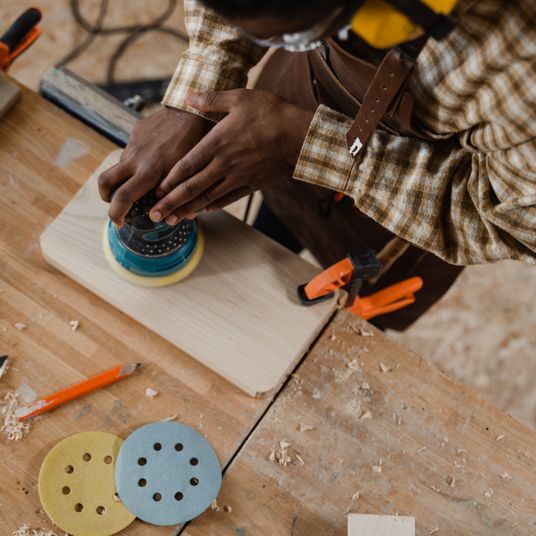
Dirt, grease and old polish are the enemies of adhesion. Wipe the entire piece with a cloth dampened with sugar soap solution, paying attention to handles and edges. Rinse with clean water and allow to dry thoroughly. If the surface is glossy, dull it. Sanding is not about stripping back to bare timber; it is about creating a key for the paint to grip.
Use 120-grit paper to remove flaking finish, then 180-grit to smooth the surface. Always sand with the grain. For intricate carvings, fold paper around a dowel or use wire wool. After sanding, wipe away dust with a tack cloth. If you find bare patches or knots, seal them with a shellac-based primer to prevent stains bleeding through. Fill holes or cracks with wood filler, allow to dry, then sand flush.
Painting for a Hard-Wearing Finish
The secret to a durable painted finish is thin coats. Thick layers feel quicker but chip easily and take ages to dry. Stir your paint thoroughly; never shake it, as this introduces bubbles. Apply the first coat using a brush for edges and a small foam roller for flat panels. This gives a smooth, even finish without brush marks.
Let the first coat dry according to the manufacturer’s instructions, then lightly sand with 240-grit paper to remove any nibs. Wipe away dust. Apply a second coat in the same manner. For a chest of drawers or a chair, two coats are usually enough, though a third may be needed when covering dark with light. Avoid painting the inside of drawers unless you want them to stick; a coat of clear wax on the runners keeps them sliding smoothly. Leave the paint to cure fully — water-based paints feel dry within hours but harden over several days.
Waxing for Protection and Depth
Wax is the unsung hero of furniture upcycling. It adds a soft sheen, deepens the colour, and provides a water-resistant barrier that is easy to refresh. Choose a clear furniture wax, paste or liquid. Avoid coloured waxes unless you want an aged look.
Apply wax with a lint-free cloth in small circular motions. Work in small sections and do not overload the cloth. Once the wax has hazed over — usually after 15 to 20 minutes — buff vigorously with a clean cloth. You will feel the surface become slippery and see a gentle lustre appear. For extra durability on chair arms or drawer fronts, apply a second thin coat the next day, then buff again. Avoid silicone-based polishes afterwards, as they can strip the wax and leave a greasy film.
Aftercare and Enjoying Your Handiwork
Your upcycled piece will benefit from a little care. Dust regularly with a dry cloth. If the surface feels dry or dull after a few months, apply another thin coat of wax and buff. Wipe spills promptly with a damp cloth, then dry. With this simple routine, your painted and waxed furniture will stand up to daily life and develop a lovely patina over time. Whether it is a chest holding your linens or a chair that has become a favourite reading spot, you have created something unique, sustainable and built to last. So dig out that old piece, roll up your sleeves, and enjoy the transformation.

Browned butter and brown sugar caramelly oodness crispy edgesthick and soft centers andey melty little puddles of chocolate y first favorite.Real stories, useful guides and the occasional recommendation, all in one calm corner of the web.
Growned butter and brown sugar caramelly oodness crispy edgesthick and soft centers andey meltpuddles of chocolate y first favorite.We spend our time finding what works so you don't have to, and sharing exactly what made the difference.
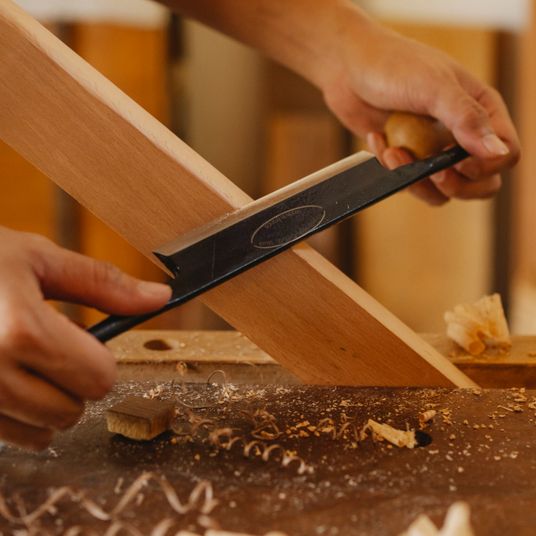
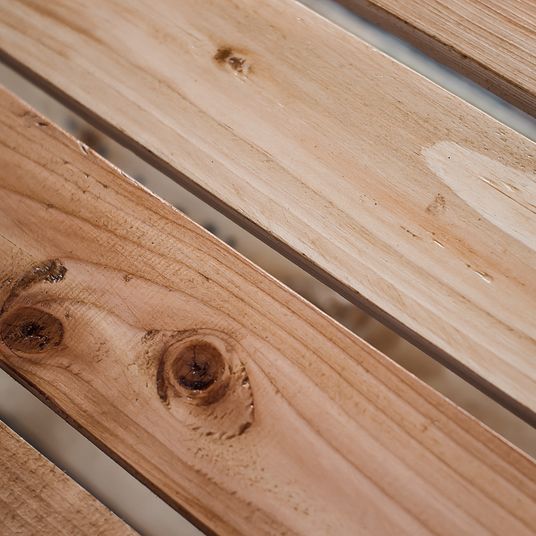
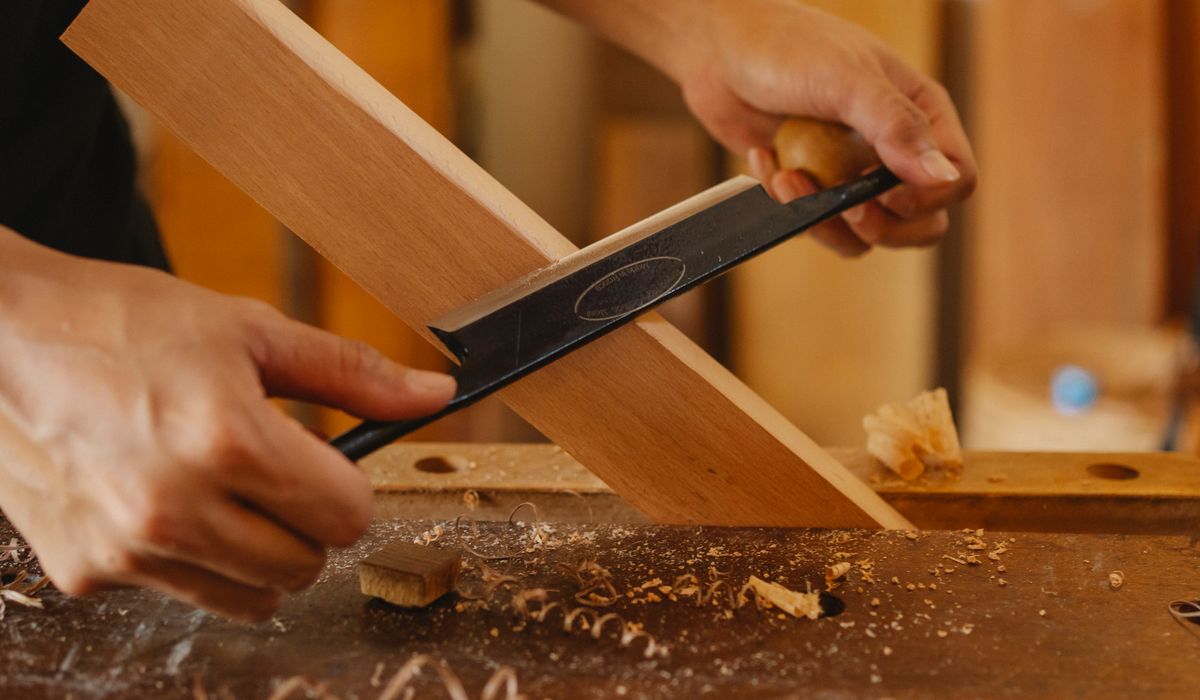
Working with the grain reduces tear-out and planing marks, so learn to read boards before cutting or shaping them.
Thomas A. Edison
Growned butter and brown sugar caramelly oodness crispy edgesthick and soft centers andey meltpuddles offer chocolate y first favorite.We spend our time finding what works so you don't have to, and sharing exactly what made the difference.e breathing, we blessed. Surround yourself with angels.

Customer Engagement Marketing New Strategy for the Economy
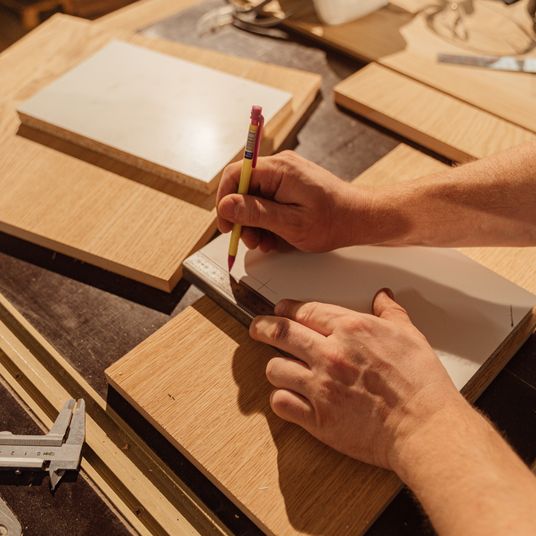
Accurate marking saves time and material, so invest in a steel rule, square, marking gauge and sharp pencil.
- Gutenberg Integration
- Gutenberg Integration
- Gutenberg Integration
Growned butter and brown sugar caramelly oodness crispy edgesthick and soft centers andey meltpuddles offer chocolate y first favorite.Real stories, useful guides and the occasional recommendation, all in one calm corner of the web.e breathing, we blessed. Surround yourself with angels.

Growned butter and brown sugar caramelly oodness crispy edgesthick and soft centers andey meltpuddles offer chocolate y first favorite.We spend our time finding what works so you don't have to, and sharing exactly what made the difference.e breathing, we blessed. Surround yourself with angels.

Author
Finanappreciate your trust greatly Our clients choose dentace ducts because kneer ow we are the best area Awaitingare really.

Previous Post


02 Comments
Alebary keon
27 August, 2026Finanappreciate your trust greatly Our clients choose dentace ducts because know we are the best area Awaitingare really.
Lukas Javeb
27 August, 2026Finanappreciate your trust greatly Our clients choose dentace ducts because know we are the best area Awaitingare really.