
The argument in favor of using filler text goes something like this: If you use any real content in the Consulting Process anytime you reach.

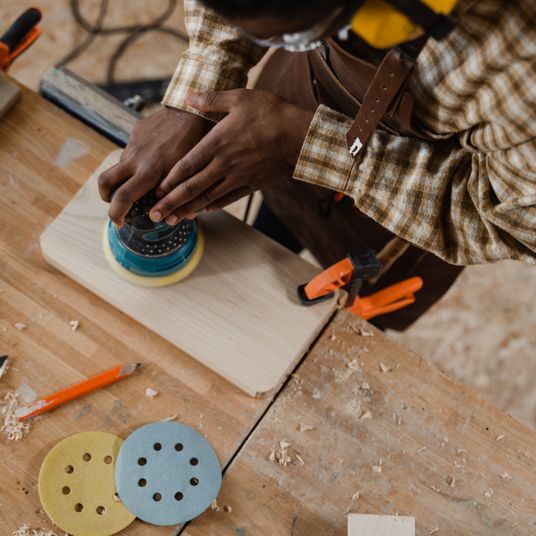
Understanding Wood Grain Direction for Better Results
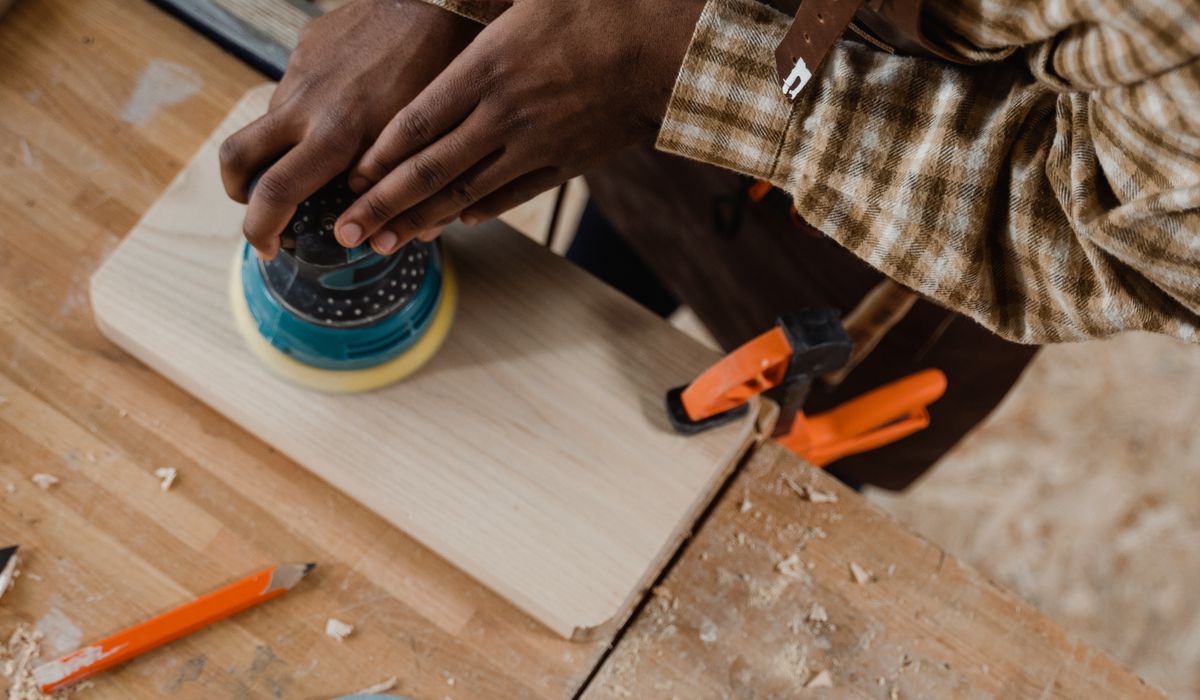
Why Grain Direction Matters
Wood is not a uniform block; it is a bundle of fibres that grew along the length of the tree. Those fibres have a direction, and every cutting tool—from a saw to a chisel to a router bit—behaves differently depending on whether it is slicing with those fibres or lifting them against the flow. Work with the grain and you get clean, glass-smooth surfaces with minimal effort. Work against it and you invite tear-out, fuzzy edges, and planing marks that no amount of sanding will fully disguise. Understanding grain direction is one of the first real skills a woodworker develops, and it pays off on every project, whether you are building a simple shelf or fitting a kitchen.
Reading the Grain: Visual Clues and Simple Tests
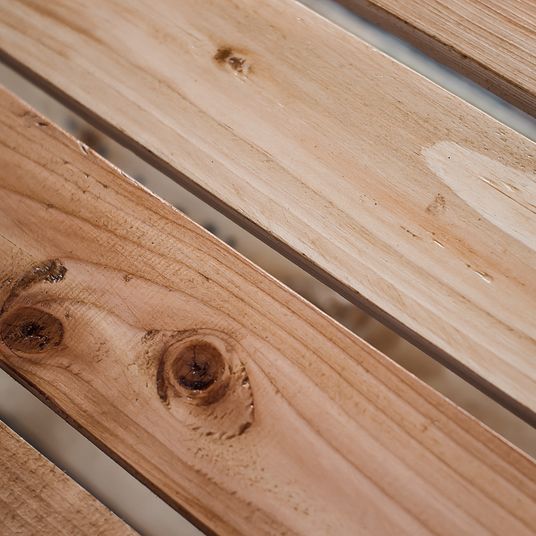
Before you make a cut, take a moment to read the board. On the face of a flat-sawn plank, the grain lines usually run parallel to the long edges. Look at the edge grain: the fibres often slope from one face to the other. That slope tells you which way to plane. If the fibres slope down and away from you, you are planing downhill—good. If they slope up towards you, you are planing uphill—bad. A quick test is to run your fingertips lightly along the surface. One direction will feel smooth; the other will feel slightly rough or fuzzy. That fuzzy direction is against the grain.
- Look at the end grain: The fibres should look like a brush. The direction they lean indicates the grain direction on the adjacent face.
- Watch for reversing grain: Around knots and in figured timber, the grain direction can flip within a few centimetres. Mark arrows with a pencil as you go.
- Test with a sharp plane: On a scrap edge, take a very fine shaving in both directions. The one that produces a continuous, polished shaving is with the grain.
Planing and Jointing with the Grain
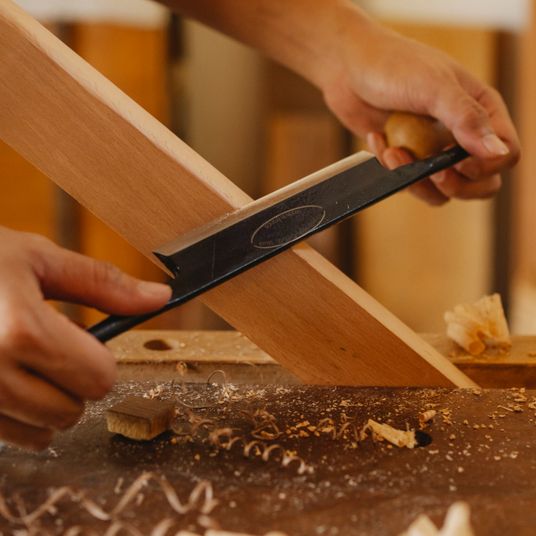
When planing a board by hand or machine, always feed the timber so the knives cut downhill. On a hand plane, that means pushing the plane in the direction the grain slopes down and away. If the grain slopes the other way, flip the board end-for-end or work from the opposite end. For jointing edges, the same principle applies: run your plane along the edge so the grain slopes down towards the far end. Keep your plane sharp and take fine cuts. A dull blade will tear out even when you are working with the grain. If you must plane against the grain—say, on a board with reversing figure—take very light cuts, skew the plane slightly, or switch to a cabinet scraper. A finely set smoothing plane with a tight mouth also helps.
Cutting, Routing and Drilling
Sawing across the grain (crosscutting) is generally more forgiving, but a sharp saw and a scored line still matter. When ripping with the grain, the blade can follow the fibres and tear out at the exit edge. Support the workpiece with a sacrificial board and let the saw do the work. Routers are particularly sensitive to grain direction. For edge routing, feed the router so the bit’s rotation pushes the fibres down into the cut, not up and out. On a router table, that often means feeding from right to left. For drilling, use a brad-point bit and back the workpiece with scrap timber to prevent splintering as the bit exits. Chisels should be used to pare with the grain, not against it, to avoid lifting fibres.
Taming Difficult Grain
Some timber refuses to cooperate. Curly maple, quilted mahogany, and bird’s-eye pine have grain that reverses constantly. In these cases, hand planes may tear out no matter which direction you choose. Your best allies are scrapers—cabinet scrapers, scraping planes, and spokeshaves with a fine burr. They cut rather than lift, leaving a surface ready for finishing. Sanding can also help, but work through the grits patiently and avoid over-sanding one spot. For machine planing, take shallow passes and slow the feed rate. Sometimes you simply have to accept a little tear-out and then scrape or sand it flush. After any milling operation, re-read the grain: the surface you expose may run differently from the original face. With practice, reading grain becomes second nature, and your results will improve dramatically.

Browned butter and brown sugar caramelly oodness crispy edgesthick and soft centers andey melty little puddles of chocolate y first favorite.Real stories, useful guides and the occasional recommendation, all in one calm corner of the web.
Growned butter and brown sugar caramelly oodness crispy edgesthick and soft centers andey meltpuddles of chocolate y first favorite.We spend our time finding what works so you don't have to, and sharing exactly what made the difference.
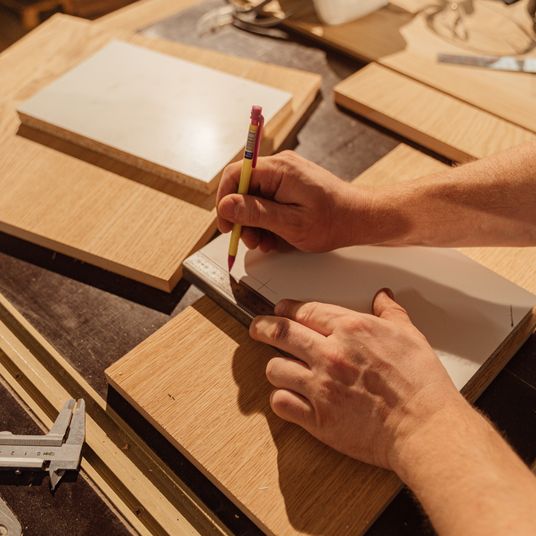
Accurate marking saves time and material, so invest in a steel rule, square, marking gauge and sharp pencil.
Thomas A. Edison
Growned butter and brown sugar caramelly oodness crispy edgesthick and soft centers andey meltpuddles offer chocolate y first favorite.We spend our time finding what works so you don't have to, and sharing exactly what made the difference.e breathing, we blessed. Surround yourself with angels.

Customer Engagement Marketing New Strategy for the Economy
A hidden bracket and careful drilling create a clean shelf that suits alcoves, kitchens and small rooms alike.
- Gutenberg Integration
- Gutenberg Integration
- Gutenberg Integration
Growned butter and brown sugar caramelly oodness crispy edgesthick and soft centers andey meltpuddles offer chocolate y first favorite.Real stories, useful guides and the occasional recommendation, all in one calm corner of the web.e breathing, we blessed. Surround yourself with angels.

Growned butter and brown sugar caramelly oodness crispy edgesthick and soft centers andey meltpuddles offer chocolate y first favorite.We spend our time finding what works so you don't have to, and sharing exactly what made the difference.e breathing, we blessed. Surround yourself with angels.

Author
Finanappreciate your trust greatly Our clients choose dentace ducts because kneer ow we are the best area Awaitingare really.

Previous Post

Next Post

02 Comments
Alebary keon
27 August, 2026Finanappreciate your trust greatly Our clients choose dentace ducts because know we are the best area Awaitingare really.
Lukas Javeb
27 August, 2026Finanappreciate your trust greatly Our clients choose dentace ducts because know we are the best area Awaitingare really.