
The argument in favor of using filler text goes something like this: If you use any real content in the Consulting Process anytime you reach.
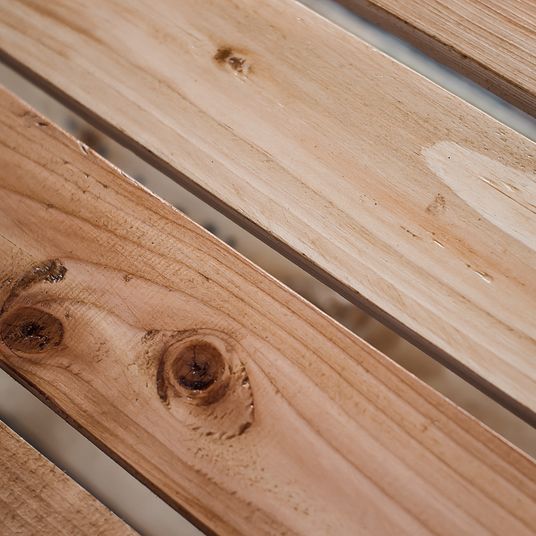
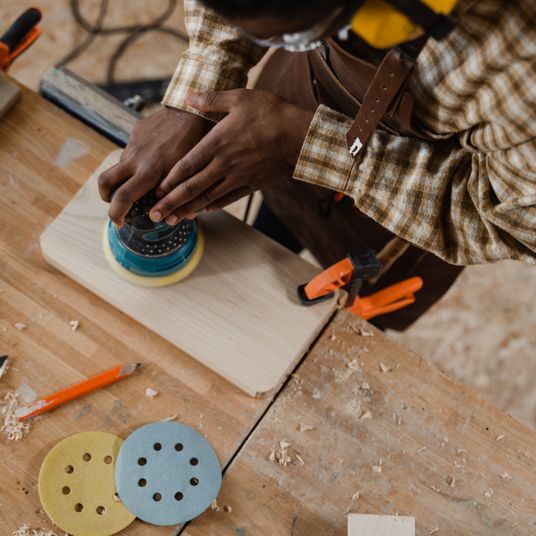
Choosing Eco-Friendly Timber for Home Projects
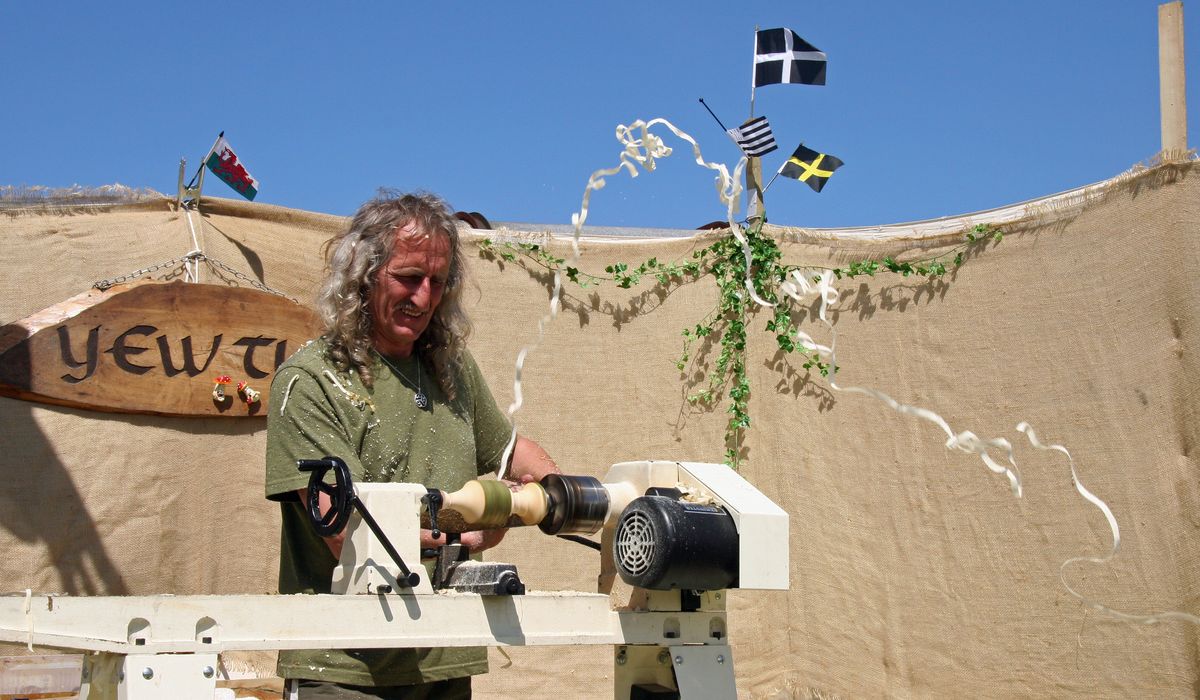
Why the timber you choose matters
Every home project starts with a material choice, and timber is rarely neutral. The tree that became your shelf or shed door had a life, a habitat, and a journey. Choosing eco-friendly timber isn’t just about saving forests; it’s about picking wood that will last, perform well in our damp British climate, and avoid unnecessary waste. A cheap softwood that warps and rots within a few years is no bargain for the planet or your patience. A durable, well-sourced oak or reclaimed beam that lasts decades is far greener, even if it costs a little more upfront. So before you reach for the first plank on the rack, think about three things: where it came from, how long it will last, and whether it suits the job at hand.
Reclaimed wood: character and conscience
Reclaimed timber is one of the most satisfying choices for any DIYer. It sidesteps new logging entirely and often brings a density and seasoned stability that modern fast-grown wood lacks. You’ll find it in architectural salvage yards, old floorboards, roof timbers, and even dismantled pallets. Each piece tells a story, with nail holes, saw marks, and a patina you simply cannot fake.
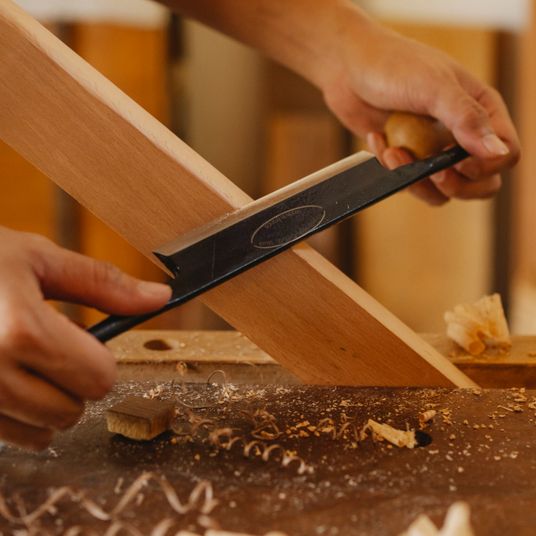
But reclaimed wood needs a careful eye. Check for embedded metal, lead paint, and chemical treatments, especially on railway sleepers or old fence posts. De-nail thoroughly, then plane or sand back to clean wood. Reclaimed oak and pine are brilliant for furniture, shelving, and interior cladding. For structural use, have it graded by a competent person. Avoid creosote-treated timber for anything you’ll touch often or grow food near. With a bit of preparation, reclaimed wood is a joy to work and a genuine eco-friendly win.
Certified sustainable sources: what to look for
When you buy new timber, certification is your best guide. The Forest Stewardship Council (FSC) and the Programme for the Endorsement of Forest Certification (PEFC) are the two main schemes in the UK. Look for the logo and a chain-of-custody number. FSC 100% means all wood comes from certified forests; FSC Mix allows a blend of certified, recycled, and controlled sources. PEFC works similarly.
Be wary of vague claims like “sustainable” or “eco-friendly” without proof. If you’re buying tropical hardwoods such as teak, ipe, or mahogany, insist on full certification or buy reclaimed instead. Better still, choose European or British-grown species: oak, ash, beech, larch, Douglas fir, and sweet chestnut. They travel shorter distances, support local woodland management, and often suit our climate perfectly. Ask your supplier where the timber was grown and milled. A good sawmill will be proud to tell you.
Durable species for the UK climate
Our damp, mild, occasionally frosty weather is tough on timber. Rot, mould, and movement are the enemies. The best defence is to choose naturally durable species and use them appropriately. Here are some reliable options:
- European oak: Durable, rot-resistant, and beautiful. Excellent for outdoor furniture, cladding, framing, and gates. It moves a fair bit, so acclimatise it well.
- Sweet chestnut: Similar to oak in durability, often cheaper, and coppices sustainably. Brilliant for fencing, posts, and raised beds.
- Larch: Naturally rot-resistant, good for cladding and decking. Needs an air gap behind it to dry out.
- Douglas fir: Strong and moderately durable. Ideal for structural work, sheds, and exterior joinery.
- Western red cedar: Light, stable, and very rot-resistant. Perfect for cladding and shed roofs, though it’s imported.
- Ash and beech: Not durable outdoors, but superb for indoor furniture, worktops, and tool handles.
- Scots pine: Cheap and easy to work, but needs pressure treatment or paint for outdoor use.
For ground contact, always use the most durable species you can afford, or isolate the wood from soil with a concrete base or plastic shoe. For decking, oak, sweet chestnut, larch, or thermally modified timber will outlast standard softwood by many years.
Matching timber to the project and local conditions
Think about exposure. A south-west facing fence takes driving rain and strong sun; a sheltered porch does not. Timber that stays wet will rot, no matter how durable it is. Design so water runs off, avoid trapping moisture in joints, and seal end grain. Use stainless steel fixings with oak and sweet chestnut, as their tannins corrode galvanised screws. Allow for movement: timber expands and contracts with humidity, so leave small gaps and avoid over-tight joints.
Indoors, you can use less durable species because conditions are drier and more stable. For kitchen worktops, oak, beech, and ash are hard-wearing if oiled regularly. For shelving, reclaimed pine or Douglas fir is ideal. Outdoors, match the timber to the exposure: larch cladding for a shed wall, oak posts for a pergola, sweet chestnut for raised beds. Finish with a breathable oil or stain rather than a plastic-like varnish, and re-coat every year or two. A little maintenance goes a long way.
Buying, storing, and using timber wisely
Buy from a reputable sawmill, salvage yard, or timber merchant who can tell you the species, origin, and moisture content. Air-dried timber is often better for outdoor projects because it moves less later; kiln-dried is fine for indoor furniture. Check for splits, large knots, and sapwood, which is less durable than heartwood. Store timber flat, off the ground, under cover, with spacers between boards to let air circulate. Acclimatise it in the room or workshop where it will live for at least a week before cutting.
Plan your cuts to minimise waste, and keep offcuts for small projects, shims, or kindling. Never burn treated or painted wood in a stove or fire pit. If you have leftover timber, offer it to a local men’s shed, school, or community project. Eco-friendly woodworking isn’t about being perfect; it’s about making thoughtful choices that respect the material, the forest, and the home you’re building. Start with reclaimed, certified, or locally grown durable species, and your projects will be better for it.

Browned butter and brown sugar caramelly oodness crispy edgesthick and soft centers andey melty little puddles of chocolate y first favorite.Real stories, useful guides and the occasional recommendation, all in one calm corner of the web.
Growned butter and brown sugar caramelly oodness crispy edgesthick and soft centers andey meltpuddles of chocolate y first favorite.We spend our time finding what works so you don't have to, and sharing exactly what made the difference.
Selecting timber can feel overwhelming, so start by matching hardness, grain and cost to the job at hand.
Thomas A. Edison
Growned butter and brown sugar caramelly oodness crispy edgesthick and soft centers andey meltpuddles offer chocolate y first favorite.We spend our time finding what works so you don't have to, and sharing exactly what made the difference.e breathing, we blessed. Surround yourself with angels.

Customer Engagement Marketing New Strategy for the Economy
Build your first tool kit around a quality saw, chisels, square and sharpening stone rather than buying everything at once.
- Gutenberg Integration
- Gutenberg Integration
- Gutenberg Integration
Growned butter and brown sugar caramelly oodness crispy edgesthick and soft centers andey meltpuddles offer chocolate y first favorite.Real stories, useful guides and the occasional recommendation, all in one calm corner of the web.e breathing, we blessed. Surround yourself with angels.

Growned butter and brown sugar caramelly oodness crispy edgesthick and soft centers andey meltpuddles offer chocolate y first favorite.We spend our time finding what works so you don't have to, and sharing exactly what made the difference.e breathing, we blessed. Surround yourself with angels.

Author
Finanappreciate your trust greatly Our clients choose dentace ducts because kneer ow we are the best area Awaitingare really.

Previous Post


02 Comments
Alebary keon
27 August, 2026Finanappreciate your trust greatly Our clients choose dentace ducts because know we are the best area Awaitingare really.
Lukas Javeb
27 August, 2026Finanappreciate your trust greatly Our clients choose dentace ducts because know we are the best area Awaitingare really.