
The argument in favor of using filler text goes something like this: If you use any real content in the Consulting Process anytime you reach.

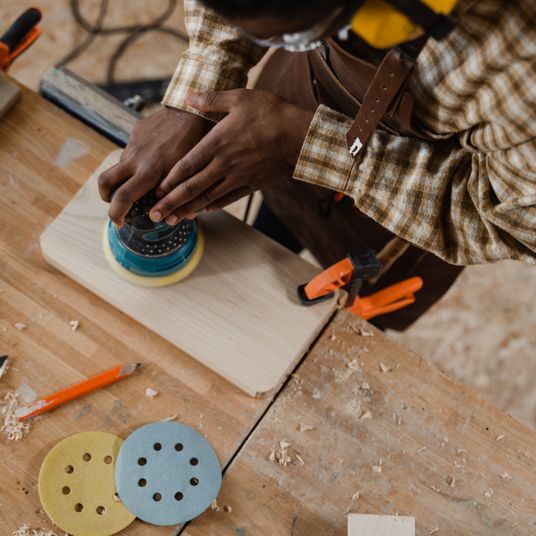
Simple Joinery Methods for Strong Wooden Furniture
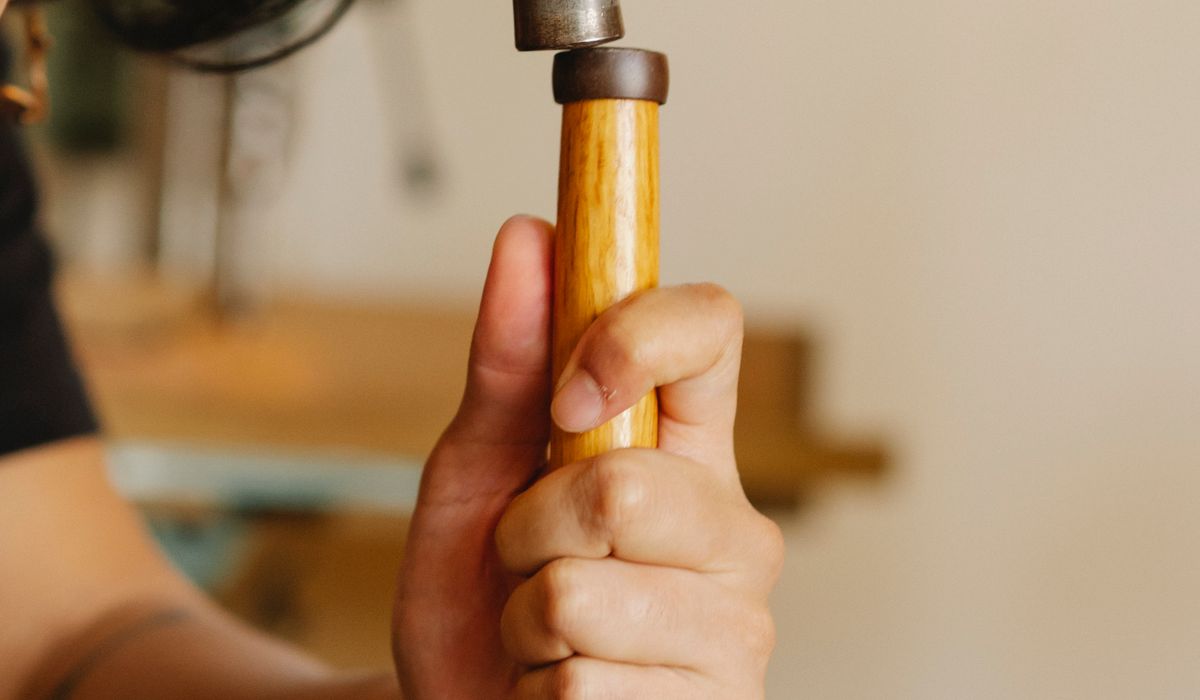
Why simple joints deserve a place in your workshop
There is a lot of romance around dovetails and mortise-and-tenon joints, and rightly so — they are beautiful, traditional and enormously strong. But if you are building your first bookcase in a garage with a modest set of tools, chasing perfect hand-cut joinery can turn a weekend project into a fortnight of frustration. The good news is that you do not have to. Dowels, biscuits and pocket screws will hold a piece of furniture together for decades, and they are far more forgiving of small errors.
These three methods are not a compromise so much as a sensible choice. They are quick to learn, they work with ordinary hand tools or a basic power drill, and they let you focus on the parts of woodworking that actually make a piece look good: accurate cutting, careful assembly and a decent finish. Get those right and nobody will ever peer underneath your table wondering how the rails are attached.
Dowel joints: the beginner's best friend
A dowel joint is simply a pair of matching holes with a short length of hardwood rod bridging them. It costs pennies, it needs no specialist kit beyond a drill and a couple of dowel centres, and it produces a genuinely strong joint in solid timber and in man-made boards.
For most furniture, 8mm dowels are the sweet spot. Step up to 10mm for chunky legs and rails, and drop to 6mm for small frames, drawers and delicate work. Space them roughly 50–75mm apart along a joint, and keep the outer dowels at least 20mm in from the ends of the board so you do not blow out the grain.
- Drill the holes about 2mm deeper than half the dowel length, so surplus glue has somewhere to go.
- Use grooved or spiral dowels — the flutes let air and glue escape instead of hydraulic-locking the joint halfway home.
- Buy or make a simple dowelling jig, or use dowel centres to transfer marks from one piece to the other.
- Scratch a small groove along each dowel with a saw before gluing, and never rely on a dry dowel to hold.
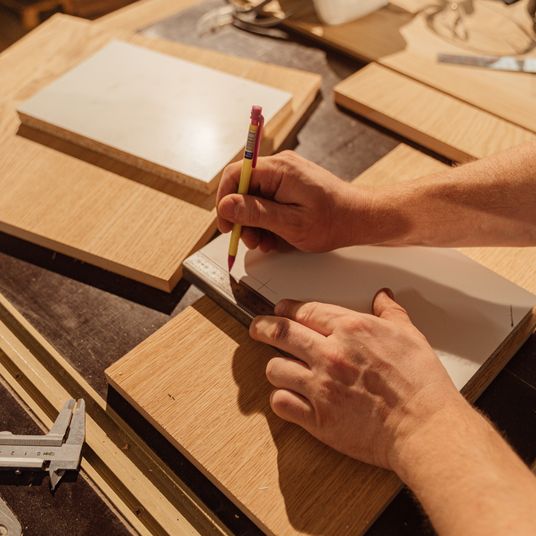
The one rule to respect is alignment. Dowels are unforgiving if your holes are even a millimetre off square, so clamp the pieces together and mark both faces before you drill anything.
Biscuits: fast alignment for panels and mitres
A biscuit jointer cuts a shallow, crescent-shaped slot into the edge or face of a board, and a compressed beech wafer is glued into it. When the biscuit meets the moisture in the glue it swells, filling the slot tightly. The result is a joint that is excellent for keeping surfaces flush.
This is where biscuits shine: edge-to-edge glue-ups for tabletops and shelves, mitred picture frames, and carcass panels where you want everything lined up perfectly before the clamps go on. They are numbered 0, 10 and 20, with 20 the largest. Match the biscuit size to your board thickness — a size 20 in 18mm plywood is asking for trouble, whereas a size 10 sits comfortably.
Remember that a biscuit gives you alignment and some strength, but not the same pull-together force as a screw or a dowel. On a load-bearing joint, pair biscuits with glue and clamps, or use them alongside pocket screws.
Pocket screws: strong, quick and easy to hide
Pocket screws are driven at an angle through a stepped hole drilled into the back or inside face of one board into the edge of another. The washer head pulls the joint tight and the coarse thread bites hard into the end grain. It is one of the fastest ways to build a carcass, a face frame or a set of cabinet boxes.
- Set the drill guide to match your board thickness — the stepped hole must be sized so the screw head seats without splitting the timber.
- Use coarse-thread pocket screws in softwood and plywood, fine-thread in hardwood.
- Screw length matters: too long and it bursts through the show face, so test on an offcut first.
- Glue as well. The screw holds the joint closed while the glue does the long-term work.
On visible faces, pocket holes can be plugged with matching timber plugs, or simply placed underneath, behind or on the inside where nobody looks.
Matching the joint to the job
None of these methods is universally best, so pick by what the piece actually needs. Biscuits for flush panel joints and wide glue-ups. Dowels for frames, rails and anything that will be knocked about. Pocket screws for speed, carcasses and places where a hidden fixing is easy to arrange. Reasonable combinations are just as sensible — biscuits to align, pocket screws to pull tight, dowels for the structural corners.
If a joint will carry real weight — a dining table apron, a bed rail, a stair handrail — consider reinforcing it with a mechanical fixing as well as glue, and never be shy about adding a corner brace.
Small habits that make any joint stronger
Whatever method you choose, the difference between a joint that lasts and one that loosens within a year usually comes down to technique rather than hardware.
- Do a dry run first. Assemble everything without glue to check alignment, square and clamp positions.
- Measure the diagonals of any frame or carcass — equal diagonals mean it is square.
- Use a decent PVA glue. For kitchens, bathrooms or anything that might get damp, choose a water-resistant D3 grade.
- Clamp firmly but not brutally. Over-tightening squeezes out the glue and starves the joint.
- Wipe surplus glue away with a damp cloth before it sets, especially on end grain where it soaks in.
Practise each method on a few scrap joints before you commit to a finished piece. Half an hour with offcuts will teach you more about dowel spacing and screw depth than any set of instructions, and it will give you the confidence to start building furniture that genuinely lasts.

Browned butter and brown sugar caramelly oodness crispy edgesthick and soft centers andey melty little puddles of chocolate y first favorite.Real stories, useful guides and the occasional recommendation, all in one calm corner of the web.
Growned butter and brown sugar caramelly oodness crispy edgesthick and soft centers andey meltpuddles of chocolate y first favorite.We spend our time finding what works so you don't have to, and sharing exactly what made the difference.
A compact bench with a thick top and vice can transform a garage or shed into a practical workshop for everyday making.
Thomas A. Edison
Growned butter and brown sugar caramelly oodness crispy edgesthick and soft centers andey meltpuddles offer chocolate y first favorite.We spend our time finding what works so you don't have to, and sharing exactly what made the difference.e breathing, we blessed. Surround yourself with angels.

Customer Engagement Marketing New Strategy for the Economy
Match filler to the timber and finish, apply in thin layers, and sand carefully to blend repairs into surrounding wood.
- Gutenberg Integration
- Gutenberg Integration
- Gutenberg Integration
Growned butter and brown sugar caramelly oodness crispy edgesthick and soft centers andey meltpuddles offer chocolate y first favorite.Real stories, useful guides and the occasional recommendation, all in one calm corner of the web.e breathing, we blessed. Surround yourself with angels.

Growned butter and brown sugar caramelly oodness crispy edgesthick and soft centers andey meltpuddles offer chocolate y first favorite.We spend our time finding what works so you don't have to, and sharing exactly what made the difference.e breathing, we blessed. Surround yourself with angels.

Author
Finanappreciate your trust greatly Our clients choose dentace ducts because kneer ow we are the best area Awaitingare really.

Previous Post


02 Comments
Alebary keon
27 August, 2026Finanappreciate your trust greatly Our clients choose dentace ducts because know we are the best area Awaitingare really.
Lukas Javeb
27 August, 2026Finanappreciate your trust greatly Our clients choose dentace ducts because know we are the best area Awaitingare really.