
The argument in favor of using filler text goes something like this: If you use any real content in the Consulting Process anytime you reach.
A Guide to Wood Finishes for Indoor Furniture
A finish does two jobs at once. It protects the timber from spills, heat, grease, humidity and the general rough and tumble of daily life, and it decides how the piece looks and feels — whether the grain glows, whether the surface is silky or glassy, whether it reads as rustic or refined. The mistake most of us make is reaching for whatever tin is nearest. Better to work backwards from the job.
Start With the Job, Not the Tin
Before you choose, ask three questions. How much abuse will the surface take? A dining table endures hot plates, wine rings and homework; a bedside cabinet mostly endures dust. How do you want it to look? Finishes run from dead matt through satin to high gloss, and each one flatters different timbers. And how easily can you repair it? Some finishes blend invisibly with a cloth; others need the whole surface sanding back.
It also helps to know the vocabulary. Matt hides dust and imperfections but can look flat. Satin is the useful middle ground, soft without being dull. Gloss is hard-wearing and dramatic, but it magnifies every scratch, brush mark and speck of dust. Whichever you pick, buy a small tin, test it on an offcut or the underside of the piece, and let it cure for a few days before committing.
Oils: Deep Colour, Easy Repairs
Oils soak into the wood rather than sitting on top of it, which is why they leave the grain looking rich and feeling tactile. Tung oil, boiled linseed oil, Danish oil and the modern hardwax oils all fall into this family; hardwax oils are essentially oil and wax combined, and give noticeably better protection than oil alone.
The advantages are real. Oils are almost foolproof to apply with a cloth or brush, they never look plasticky, and they are genuinely repairable — sand the damaged patch, feather it in, re-oil, and the repair disappears. The trade-off is protection. Oils resist water reasonably well once cured but they mark under heat and spirit spills, and they need topping up once or twice a year. They suit oak, walnut and ash, and any piece that is not expected to take a battering.
- Apply thin coats and wipe off the excess within half an hour — puddles turn sticky.
- Allow 24 hours or more between coats, and burnish with a fine abrasive pad before the final one.
- Spread used rags flat to dry outdoors, or soak them in water. Oily rags bundled together can self-ignite.
Waxes: The Traditional Top Coat
Beeswax and carnauba wax give the softest, most traditional sheen of all. They are usually applied over an oiled surface or onto bare wood, worked in with a lint-free cloth or fine wire wool, then buffed clear. The result is warm, subtle and lovely to touch.
Wax offers the least protection of any finish here. Water rings, heat marks and scratches all show, and the surface needs redoing every few months. Where it wins is on antique or period furniture, on decorative pieces, and as a quick reviver for a tired but sound finish. Use it on things you admire, not on things you eat off.
Varnishes and Lacquers: Maximum Protection
Film-forming finishes build a layer on the surface rather than soaking in, and that layer is tough. Polyurethane varnish, both oil-based (alkyd) and water-based acrylic, pre-catalyst lacquer and shellac are the main options for indoor furniture.
- Water-based varnish dries fast, smells mild and stays clear, though it raises the grain slightly on first application.
- Oil-based varnish is more hard-wearing and adds a warm amber tone, but it smells strongly and needs longer between coats.
- Lacquer and shellac dry very quickly and give a fine, professional look, but shellac is not water-resistant and marks if you leave a wet glass on it.
Satin and matt varnishes forgive dust and application marks far better than gloss. Brush or wipe on thin coats, sand lightly between them with 240 to 320 grit, and dust off with a tack cloth. The drawback is repair: a deep scratch means sanding the whole surface back and starting again, so varnish is best for tables, kitchen units and children's furniture where protection matters more than patina.
Paints: Colour and Concealment
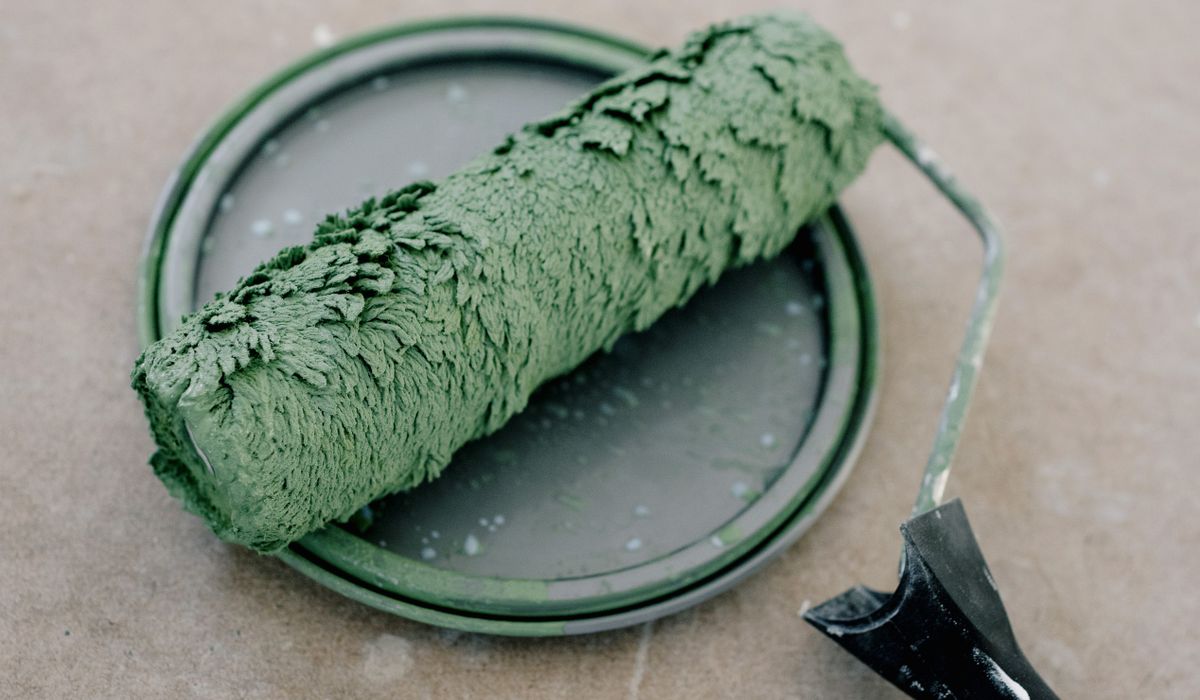
Paint covers everything — knots, repairs, mismatched timber, cheap pine, even MDF. Water-based eggshell is the sensible default for indoor furniture: it is durable, quick-drying, low-odour and wipes clean. Satin sits between eggshell and gloss; gloss is toughest but shows every imperfection in the surface beneath. Chalk-style paints give a beautiful flat matt finish but need wax or varnish over the top to survive daily use.
Preparation is everything. Sand back to a sound surface, seal knots with knotting solution or shellac, then apply a primer and an undercoat before two thin topcoats, lightly sanding between each. A good brush and a little patience will beat expensive paint every time.
Matching the Finish to the Job
As a rough guide: dining tables, desks and kitchen surfaces want hardwax oil or a quality water-based varnish; shelves, beds and bedroom furniture are happy with oil, wax or a matt varnish; period pieces and low-traffic items suit wax; and anything painted needs eggshell or a chalk paint sealed with wax or varnish.
Whichever route you take, work in a warm, well-ventilated, dust-free room, stir the tin rather than shaking it, and apply several thin coats rather than one thick one. Drying times roughly double in a cold workshop, so add a day rather than risk a sticky finish. Get those basics right and your finish will outlast the trend that inspired it.

Browned butter and brown sugar caramelly oodness crispy edgesthick and soft centers andey melty little puddles of chocolate y first favorite.Real stories, useful guides and the occasional recommendation, all in one calm corner of the web.
Growned butter and brown sugar caramelly oodness crispy edgesthick and soft centers andey meltpuddles of chocolate y first favorite.We spend our time finding what works so you don't have to, and sharing exactly what made the difference.
This compact table uses straightforward joints and a simple frame, making it ideal for practising essential furniture-making skills.
Thomas A. Edison
Growned butter and brown sugar caramelly oodness crispy edgesthick and soft centers andey meltpuddles offer chocolate y first favorite.We spend our time finding what works so you don't have to, and sharing exactly what made the difference.e breathing, we blessed. Surround yourself with angels.

Customer Engagement Marketing New Strategy for the Economy
Steam, sanding and colour-matched fillers can often disguise minor surface damage without ruining the character of solid wood.
- Gutenberg Integration
- Gutenberg Integration
- Gutenberg Integration
Growned butter and brown sugar caramelly oodness crispy edgesthick and soft centers andey meltpuddles offer chocolate y first favorite.Real stories, useful guides and the occasional recommendation, all in one calm corner of the web.e breathing, we blessed. Surround yourself with angels.

Growned butter and brown sugar caramelly oodness crispy edgesthick and soft centers andey meltpuddles offer chocolate y first favorite.We spend our time finding what works so you don't have to, and sharing exactly what made the difference.e breathing, we blessed. Surround yourself with angels.

Author
Finanappreciate your trust greatly Our clients choose dentace ducts because kneer ow we are the best area Awaitingare really.

Previous Post


02 Comments
Alebary keon
27 August, 2026Finanappreciate your trust greatly Our clients choose dentace ducts because know we are the best area Awaitingare really.
Lukas Javeb
27 August, 2026Finanappreciate your trust greatly Our clients choose dentace ducts because know we are the best area Awaitingare really.