
The argument in favor of using filler text goes something like this: If you use any real content in the Consulting Process anytime you reach.

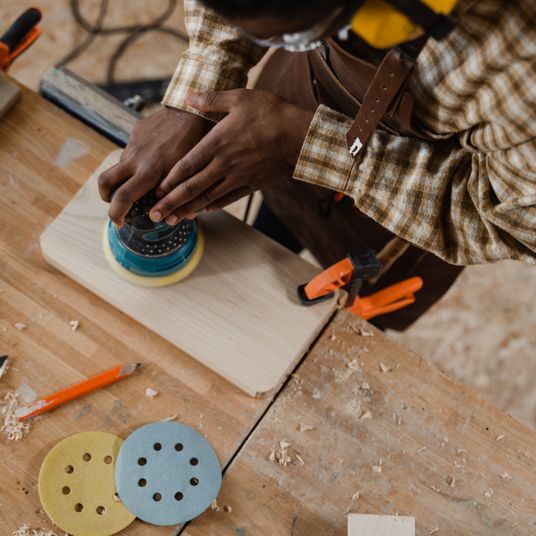
How to Use a Router Safely for Beginners
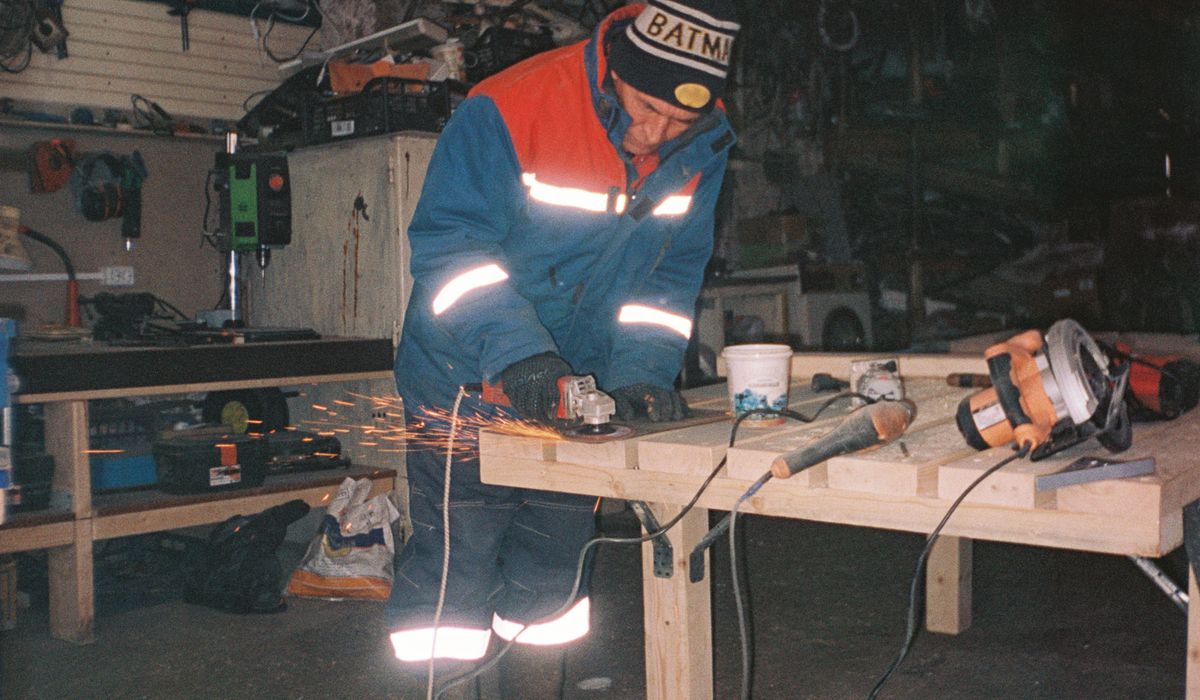
Why the router commands respect
Ask any experienced woodworker which tool in the workshop demands the most respect and the router will be named more often than not. It spins a small, razor-sharp cutter at anything from 8,000 to 30,000 rpm, and for much of the time that cutter is buried in wood where you cannot see it. Handled badly it will snatch, kick, burn and bruise. Handled well, it will cut grooves, rebates, mouldings and perfect flush edges that no other power tool can touch.
The good news is that router safety is not about nerve. It is about a handful of habits that quickly become automatic. Get those right and the router turns from the tool that frightens you into the one you reach for first.
Set up properly before you switch on
Most router accidents happen in the two minutes before the cut, so slow down there.
- Unplug the machine before every bit change. Not switched off at the socket — unplugged. A router that starts up in your hand while you are holding the collet is a life-changing mistake.
- Use the right collet. A 6mm shank and a 1/4in shank (6.35mm) look almost identical but are not interchangeable. Fit the wrong one and the bit will slip under load. Keep two spanners on the bench and tighten the collet firmly, never with pliers or by feel alone.
- Insert the bit correctly. Push it into the collet so that at least three-quarters of the shank length is gripped, then pull it back about 2mm so it does not bottom out against the spindle.
- Check the cutter itself for chips, resin and a dull edge. A blunt bit is a dangerous bit.
- Secure the workpiece. Clamps, a vice or a bench hook — never a spare hand, and never balanced on two bits of timber. Check for nails, staples and grit first.
- Protect yourself. Safety glasses always, ear defenders without fail (a router easily exceeds 90 decibels), and a dust mask, especially in MDF. Tie back long hair, roll up sleeves and take off rings and watches.
Connect a vacuum extractor if you can. Clearing chips as you cut improves the finish, keeps the cutter cool and means you can actually see your line.
Choose the right bit and keep it sharp
For most home workshops a 1/4in shank is fine. Step up to a 1/2in shank for larger cutters, deep cuts and any work in a router table, where the extra rigidity makes a real difference to stability and finish.
Tungsten carbide tipped cutters last far longer than plain steel and are worth the extra few pounds. Buy one good bit at a time rather than a huge budget set — the cheap ones dull quickly, and a dull bit means more heat, more burning, more resistance and a greater chance of the cut grabbing. Clean resin off with a dedicated bit cleaner and a soft brush, and store bits in a case so the edges do not knock against each other.
Match the cutter to the job: straight bits for grooves and rebates, bearing-guided bits for trimming and following templates, roundover and chamfer bits for edges. If your router has variable speed, slow it down for large-diameter cutters — a big bit running at full speed is asking for trouble.
The golden rule: always feed against the rotation
Seen from above, the cutter spins clockwise. Your job is to move the wood into that rotation, never with it. On a hand-held router, with the edge you are cutting running left to right in front of you, that means feed the router from left to right. In a router table, where the bit is fixed and the wood moves, it means feed the workpiece from right to left against the fence.
Feed the wrong way — known as climb cutting — and the bit grabs the timber and drags the router along with it. You will know immediately: the machine pulls away from you, the cut snatches, and the finish comes out scalloped and torn. If that happens, switch off, wait for the cutter to stop, and turn around.
Climb cutting does have a place, as a whisper-thin finishing pass on a bearing-guided bit to clean up grain tear-out. Leave that until you have a few hundred metres of routing behind you.
Depth of cut, pace and posture
Take shallow passes, 2–3mm at a time, and as many of them as the job needs. A single heavy cut overloads the motor, burns the wood and greatly increases the chance of a snatch. Listen to the machine: if the pitch drops noticeably, you are asking too much.
Keep the router flat on the workpiece and never tip it while the bit is in the cut. Keep it moving — pausing in one spot leaves a scorch mark that is impossible to sand out. Support both sides of the cut with offcuts or trestles so the base cannot drop into the gap as you pass over it, and at the end of a pass either retract the bit or switch off before lifting clear.
Stand slightly to one side of the cut, not directly behind it, so that if anything does go wrong the machine moves away from you rather than into you. Route with the timber between you and the cutter wherever you reasonably can.
Practise on scrap before it matters
Buy a few metres of cheap softwood or MDF and spend an hour with it. Rout a straight groove, round over an edge, cut a rebate, then do the same cuts feeding the wrong way so you recognise the feel. Do not start on an expensive oak tabletop.
Small, awkward pieces belong in a router table with featherboards and push sticks, not in your hands. Keep your fingers well back from the cutter, keep your leads clear of your feet, and stop work when you are tired. Ten minutes of sensible preparation before each cut will keep you routing safely for years.

Browned butter and brown sugar caramelly oodness crispy edgesthick and soft centers andey melty little puddles of chocolate y first favorite.Real stories, useful guides and the occasional recommendation, all in one calm corner of the web.
Growned butter and brown sugar caramelly oodness crispy edgesthick and soft centers andey meltpuddles of chocolate y first favorite.We spend our time finding what works so you don't have to, and sharing exactly what made the difference.
Cleaning old glue and injecting fresh adhesive can tighten wobbly chairs while preserving their original finish and charm.
Thomas A. Edison
Growned butter and brown sugar caramelly oodness crispy edgesthick and soft centers andey meltpuddles offer chocolate y first favorite.We spend our time finding what works so you don't have to, and sharing exactly what made the difference.e breathing, we blessed. Surround yourself with angels.

Customer Engagement Marketing New Strategy for the Economy
Look for reclaimed wood, certified sustainable sources and durable species that suit the intended use and local climate.
- Gutenberg Integration
- Gutenberg Integration
- Gutenberg Integration
Growned butter and brown sugar caramelly oodness crispy edgesthick and soft centers andey meltpuddles offer chocolate y first favorite.Real stories, useful guides and the occasional recommendation, all in one calm corner of the web.e breathing, we blessed. Surround yourself with angels.

Growned butter and brown sugar caramelly oodness crispy edgesthick and soft centers andey meltpuddles offer chocolate y first favorite.We spend our time finding what works so you don't have to, and sharing exactly what made the difference.e breathing, we blessed. Surround yourself with angels.

Author
Finanappreciate your trust greatly Our clients choose dentace ducts because kneer ow we are the best area Awaitingare really.

Previous Post


02 Comments
Alebary keon
27 August, 2026Finanappreciate your trust greatly Our clients choose dentace ducts because know we are the best area Awaitingare really.
Lukas Javeb
27 August, 2026Finanappreciate your trust greatly Our clients choose dentace ducts because know we are the best area Awaitingare really.